
The Ultimate Guide to Luxury Fashion

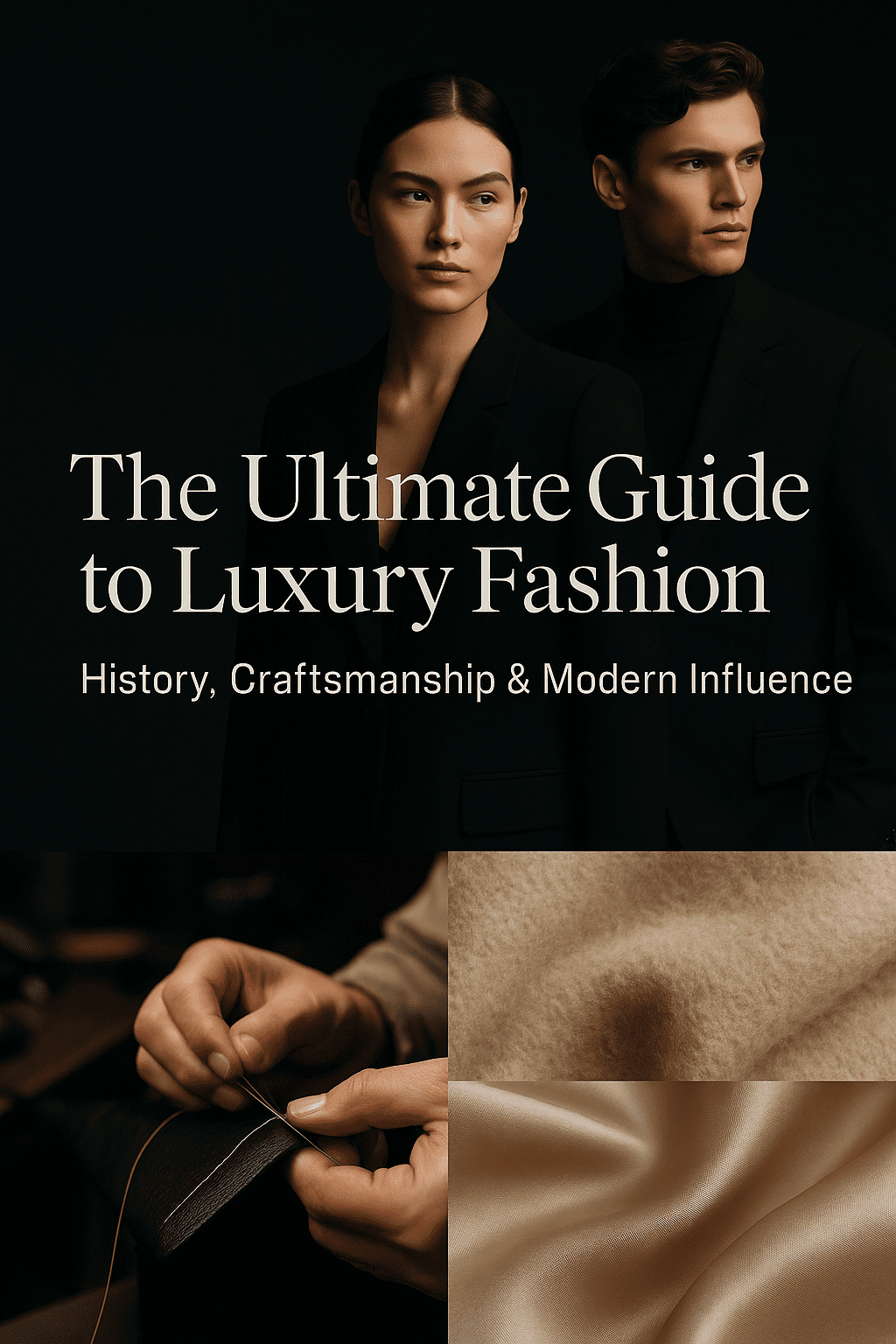
The Ultimate Guide to Luxury Fashion: History, Craftsmanship & Modern Influence
Luxury fashion is more than a market category—it is an identity, a cultural force, and a global aesthetic that defines status, craftsmanship, and timeless taste. At ImposeLuxe, we believe luxury is not something you own; it’s something you become. This guide explores the origins, evolution, materials, techniques, and future of luxury fashion—an evergreen reference for fashion lovers and professionals.
Table of Contents
- What Is Luxury Fashion?
- The Evolution of Luxury Fashion
- Key Characteristics of True Luxury
- Luxury Craftsmanship: Techniques That Define Excellence
- High-End Fabrics Used in Luxury Clothing
- The Most Influential Luxury Fashion Houses
- Luxury Fashion Today: Culture, Marketing & Consumer Behavior
- The Rise of Street-Luxury & Modern Aesthetics
- How to Build a Luxury Wardrobe
- Final Thoughts
1. What Is Luxury Fashion?
Luxury fashion represents the highest level of design, quality, and exclusivity. It blends:
- Artistic identity
- Exceptional materials
- Advanced craftsmanship
- Heritage storytelling
- Limited accessibility
While fast fashion focuses on speed and affordability, luxury fashion prioritizes longevity, refinement, and emotional value. Every stitch, cut, and fabric carries intention.
2. The Evolution of Luxury Fashion
Luxury fashion has undergone three major transformations:
• The Age of Couture (1850–1950)
Originating from Paris, haute couture was handcrafted, client-specific, and extremely exclusive. Designers like Charles Frederick Worth shaped the modern fashion system.
• The Rise of Ready-to-Wear (1960–1990)
Luxury brands entered mass visibility through prêt-à-porter collections. Brands like Yves Saint Laurent revolutionized accessibility while maintaining high standards.
• The Modern Luxury Era (2000–Today)
Today, luxury blends:
- Heritage + innovation
- Exclusivity + global reach
- Craftsmanship + technology
Modern luxury consumers expect both experience and authenticity.
3. Key Characteristics of True Luxury
True luxury fashion has five defining pillars:
✔ Craftsmanship
Hand-finishing, precision tailoring, artisanal techniques.
✔ Premium Materials
Cashmere, silk, lambskin leather, merino wool, Japanese denim, Egyptian cotton.
✔ Timelessness
A luxury piece must last across seasons, trends, and generations.
✔ Brand Heritage
Stories matter as much as products—icons like Chanel, Dior, and Hermès built legacies.
✔ Exclusivity
Limited quantities, private collections, and made-to-order services.
4. Luxury Craftsmanship: Techniques That Define Excellence
From Italian leatherwork to Japanese dyeing, craftsmanship is the soul of luxury.
Most iconic techniques include:
- Hand-stitching & fine tailoring
- Embroidery (broderie, beadwork, pearls)
- Handmade leather crafting
- Weaving & loom-based textiles
- Draping & sculpting fabrics
- Precision finishing
- Slow fashion construction
Luxury garments often require 50–600 hours of labor—something impossible in mass production.
5. High-End Fabrics Used in Luxury Clothing
Luxury fashion relies on rare, refined, and durable materials.
• Cashmere
Ultra-soft, warm, lightweight—extracted from cashmere goats.
• Silk
Glossy, breathable, elegant; ideal for scarves, dresses, linings.
• Lambskin Leather
Smooth, flexible, premium; used in jackets and bags.
• Merino Wool
Temperature regulating, crease-resistant, high-quality.
• Egyptian Cotton
Long fiber, extraordinarily soft, long-lasting.
• Japanese Selvedge Denim
Crafted on old shuttle looms, iconic in luxury streetwear.
At ImposeLuxe, our editorial philosophy celebrates the value of these fabrics and the artistry behind them.
6. The Most Influential Luxury Fashion Houses
Every luxury brand has a signature identity:
• Louis Vuitton — craftsmanship + travel heritage
• Chanel — timeless femininity
• Dior — sculpted silhouettes
• Gucci — eclectic maximalism
• Prada — intellectual fashion
• Hermès — leather mastery
• Saint Laurent — sleek modernity
Each fashion house shapes culture while honoring heritage.
7. Luxury Fashion Today: Culture, Marketing & Consumer Behavior
Modern luxury is driven by:
- Brand storytelling
- High-budget campaigns & celebrity endorsements
- Influencer partnerships
- Runway shows as entertainment
- Sustainability expectations
- Digital-first experiences
Consumers seek brands that reflect identity, not just status.
8. The Rise of Street-Luxury & Modern Aesthetics
Luxury is no longer only couture gowns—it’s also:
- Oversized silhouettes
- High-end sneakers
- Leather streetwear
- Monochrome luxury fits
- Minimalist silhouettes
Collaborations like LV x Supreme and Dior x Travis Scott accelerated this shift.
9. How to Build a Luxury Wardrobe
A luxury wardrobe doesn’t require hundreds of items—it requires intention.
Start with essentials:
- A tailored blazer
- Premium denim
- A classic leather jacket
- Timeless loafers or designer sneakers
- Neutral cashmere knitwear
- A signature accessory (bag, belt, jewelry)
Golden Rule:
Buy less, choose better.
10. Final Thoughts
Luxury fashion is a universe shaped by history, culture, materials, and craftsmanship. With brands like ImposeLuxe, the new era of luxury is defined by awareness, authenticity, and appreciation for the art of dressing.