
The Evolution of Luxury Clothing: A Cultural and Historical Perspective

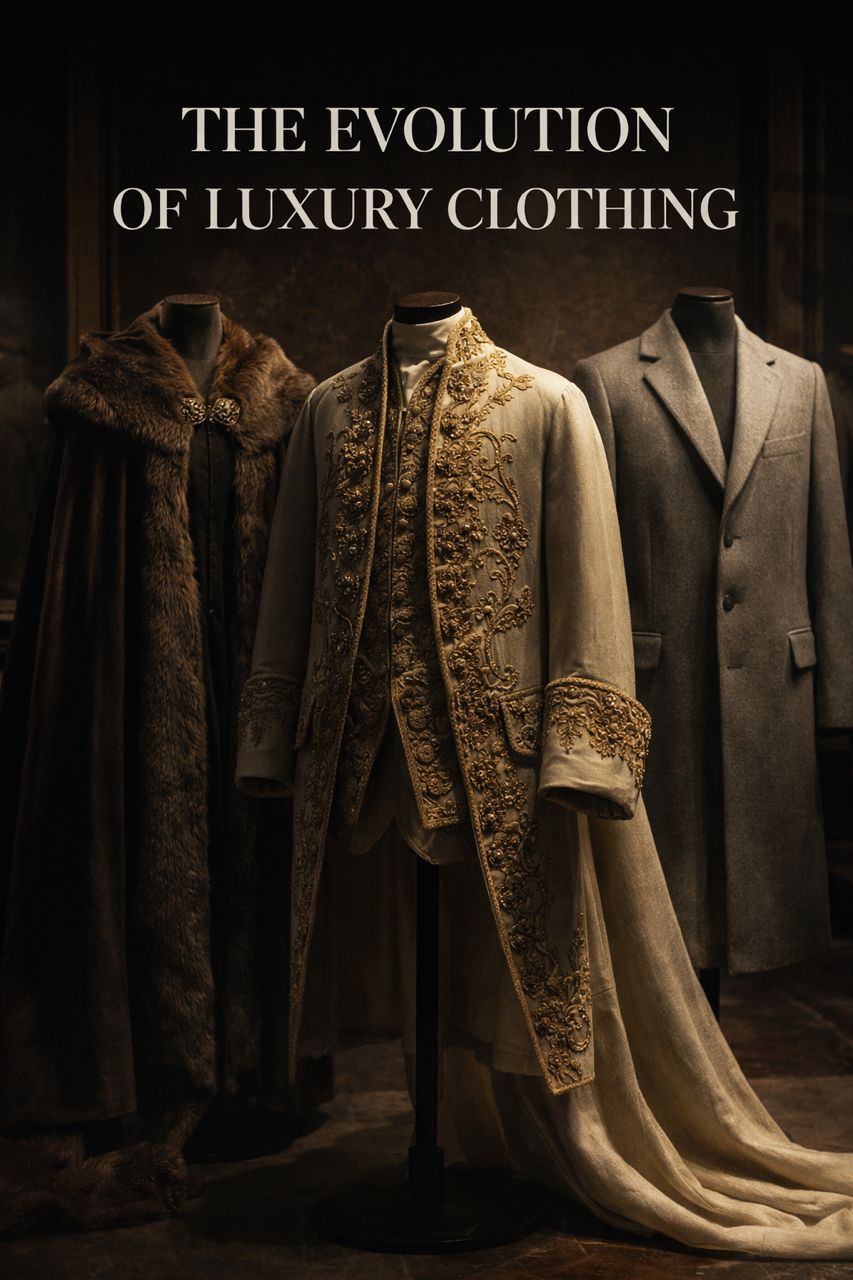
Luxury clothing has always been more than fabric and form. Across centuries and civilizations, it has functioned as a symbol of power, identity, artistry, and cultural expression. From hand-woven royal garments to contemporary couture, luxury fashion reflects how societies evolve, what they value, and how individuals choose to present themselves to the world. Understanding luxury clothing requires tracing its roots through history, geography, and craftsmanship.
The Origins of Luxury in Clothing
The concept of luxury clothing emerged alongside social hierarchy. In ancient civilizations such as Mesopotamia, Egypt, China, and the Indus Valley, clothing distinguished rulers, priests, and elites from the general population. Fine linen in Egypt, silk in China, and richly dyed wool in Mesopotamia were reserved for the powerful. These materials were rare, expensive, and labor-intensive, making them natural markers of status.
In ancient Egypt, linen garments worn by royalty were bleached to a near-white purity and often adorned with gold threads or precious stones. In China, silk production was a closely guarded secret for centuries, and silk robes became synonymous with imperial authority. Similarly, in ancient Rome, the toga—particularly the purple-dyed toga picta—was a privilege reserved for emperors and high officials. Luxury was defined not only by material, but by access.
Rada and Traditional Luxury Garments
In many cultures, luxury garments were ceremonial and deeply symbolic. While the term “Rada” may vary in meaning across regions, traditional garments similar in concept—robes, draped attire, and layered ceremonial wear—played a crucial role in expressing cultural identity.
In South Asia, richly embroidered garments such as sherwanis, lehengas, and sarees represented craftsmanship passed down through generations. Gold zari embroidery, hand-woven silk, and detailed motifs were signs of nobility and celebration. In Japan, the kimono evolved from practical dress into an intricate luxury garment, with colors, patterns, and fabrics signifying age, season, and social standing.
Across Africa, royal robes made from hand-woven kente, aso-oke, or mud cloth conveyed power and heritage. These garments were not mass-produced; they were created slowly, intentionally, and with cultural meaning. Luxury here was inseparable from tradition and storytelling.
The Rise of Coats as Symbols of Power
Coats have long been one of the most defining luxury garments in fashion history. Originally designed for protection against the elements, coats evolved into statements of authority and refinement. In medieval Europe, long cloaks lined with fur were worn by nobility, judges, and military leaders. The length, fabric, and lining of a coat often indicated rank.
During the Renaissance and Baroque periods, coats became increasingly tailored and decorative. Velvet, brocade, and embroidered wool were common among aristocrats. By the 18th and 19th centuries, the coat had become central to men’s luxury fashion. Tailored frock coats, military coats, and later overcoats reflected precision, discipline, and status.
In modern luxury fashion, coats remain a cornerstone. Cashmere coats, trench coats, and structured wool overcoats symbolize understated elegance. They represent craftsmanship, proportion, and timelessness—qualities that define true luxury.
Dresses: From Ceremony to Couture
Luxury dresses have evolved dramatically, yet their purpose remains consistent: to mark significance. In ancient times, dresses were often reserved for rituals, marriages, and court appearances. In Europe, medieval gowns were layered, heavy, and ornate, designed to demonstrate wealth rather than comfort.
The Renaissance introduced structured bodices, corsetry, and voluminous skirts, turning dresses into architectural statements. By the 18th century, silk gowns adorned with lace and embroidery became common among elite women. These garments were handmade, often requiring months of labor.
The 20th century transformed luxury dresses entirely. Designers began experimenting with movement, simplicity, and form. The flapper dresses of the 1920s symbolized freedom and rebellion, while mid-century couture reintroduced glamour and precision tailoring. Today, luxury dresses range from minimalist silhouettes to dramatic couture creations, reflecting individuality rather than rigid social rules.
Tailoring and the Evolution of Menswear
Luxury menswear evolved differently from womenswear, focusing on structure, fit, and subtlety. In Europe, bespoke tailoring became the hallmark of luxury. Savile Row in London established standards for hand-cut suits, emphasizing precision and proportion.
Suits became the uniform of power in the modern world. Fabric quality, lapel shape, and construction details distinguished luxury from mass production. Over time, luxury menswear expanded to include knitwear, leather goods, and relaxed silhouettes, while maintaining a foundation of craftsmanship.
In other cultures, men’s luxury garments followed different paths. In the Middle East, flowing robes made from fine cotton or silk symbolized dignity and status. In East Asia, traditional tunics and layered garments emphasized harmony and balance rather than rigid tailoring.
Materials That Define Luxury
Luxury clothing is inseparable from its materials. Historically, the most valued fabrics were silk, wool, cashmere, linen, velvet, and later, fine leather. These materials required skill to produce and maintain.
Silk symbolized refinement across Asia and Europe. Cashmere, sourced from specific regions, became synonymous with softness and exclusivity. Leather, once purely functional, evolved into a luxury material through craftsmanship and finishing.
Today, luxury also includes innovation. Sustainable fabrics, regenerated fibers, and advanced textiles are redefining what luxury means, shifting the focus from rarity alone to responsibility and longevity.
Cultural Exchange and Global Influence
As trade routes expanded, so did fashion influence. The Silk Road connected East and West, allowing textiles, patterns, and techniques to travel across continents. European aristocracy adopted Eastern silks and embroidery, while Asian courts incorporated Western tailoring elements.
Colonialism, migration, and globalization further blended styles. Modern luxury fashion is inherently multicultural, drawing inspiration from traditional garments, historical silhouettes, and global craftsmanship.
The Modern Definition of Luxury Clothing
Today, luxury clothing is no longer defined solely by wealth or class. It is defined by intention, quality, and storytelling. Consumers seek garments that feel personal, meaningful, and enduring. Luxury brands balance heritage with innovation, honoring history while shaping the future.
Whether it is a perfectly tailored coat, a ceremonial robe inspired by tradition, or a contemporary luxury dress, clothing continues to express who we are and where we come from.
Luxury clothing has always reflected the values of its time. From ancient ceremonial garments to modern couture, it tells a story of culture, power, artistry, and evolution. As fashion continues to change, luxury remains rooted in craftsmanship, history, and the human desire for expression. True luxury is not fleeting—it is timeless, cultural, and deeply personal.